(+91) 70037 62594 | (+91) (033) 4603-5857 | (+91) (033) 2530-1971
 info@nopanyhigh.com


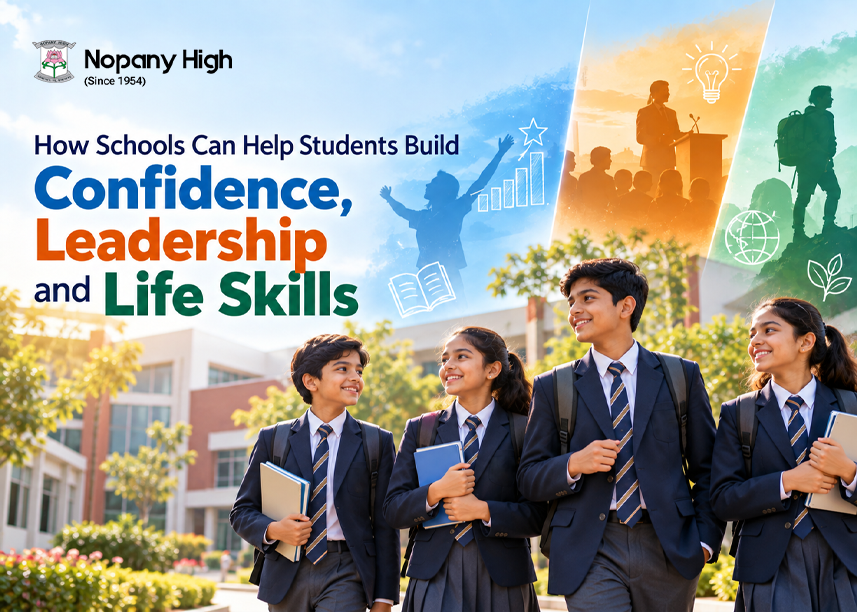
Ask a parent what they want from a school and you'll usually hear the same things. Good results. A strong board. A solid base for college. Then ask him or her what they would like their child to be like when he or she is 25, and a different picture emerges. They want a child that can talk back, take care of a bad day, work with other people and make decent decisions without having to be told what to do.
None of these is reflected on a report card and none of these is activated after Class XII. It gets built slowly, in classrooms, corridors and playgrounds, over years. The best ICSE affiliated schools in Kolkata know this, and they plan for it instead of hoping it happens on its own.
Marks Get You in Skills Keep You Going
You've encountered the student who aced all the tests, but failed to perform at their usual level in a group discussion, or who couldn't handle it the first time it didn't go his way. Academic knowledge is important, but isn't enough if a child cannot communicate, collaborate or recover.
These are the life skills that make everything else useful: talking clearly, listening well with others, managing time, being calm in stressful situations, and treating people well.
Where Confidence Really Comes From
Confidence is not the same as being loud, it's not the same as being told "well done" all day. It is from a hard thing that you have done, and discovered you are able to do it. A few things help schools create that:
Chances to speak. Assemblies, class presentations, debates, recitations. A nervous Class III child reading two lines aloud today is the same child who'll present a project confidently in Class IX.
Room to get things wrong. If a child is afraid of being laughed at, they stop putting their hand up. When teachers treat a wrong answer as part of learning, students start taking small risks, and that's where confidence begins.
Being noticed. Every child needs to feel seen for something, whether it's maths, painting, football, singing or just steady effort. Schools that recognise a wide range of strengths give more children a reason to believe in themselves.
Small responsibilities. Handing out notebooks, leading a line, looking after a class corner. These feel minor, but they tell a child "we trust you."
Leadership isn't Only for the Captain
Many people picture leadership as the head boy, the head girl or the prefect badge. It is, in fact, a set of habits, which any student can learn to practice: planning, taking responsibility, encouraging others, and owning their mistake
This is taught in group projects with students having specific roles. So do house systems, student councils, sports teams, and cultural events where students handle the planning themselves. Peer mentoring works well too. A Class X student who helps a class VI student to settle grows in patience and the student in class VI grows in trust.
But it's about the extent of the reach of these opportunities. When the same 5 with the lead, the rest of the hundreds never get to try.
The Everyday Skills That Rarely Get Talked About
Some skills don't have a trophy or a certificate, but they shape a child's life just as much:
- Delivering a well-reasoned opinion diplomatically, disagreeing without provoking conflict
- Collaborating with peers who have other thinking and/or acting styles
- Balancing homework, activities and rest, especially once senior school gets heavier
- Recognising stress, frustration or peer pressure and knowing what to do about it
- Thinking through options instead of waiting to be told
- Showing respect and empathy towards people outside their own circle
Schools that build these into the everyday routine tend to do better than those that squeeze them into a single weekly "value education" period.
What to Look for When You're Comparing Schools
If you've been typing icse schools near me into Google and scrolling through options, it helps to look past the results page and ask how each school actually develops these qualities. Some useful questions to carry on a school visit:
- Do leadership roles rotate, or do the same few students get them every year?
- How often do children get to present, perform or take part in events?
- Are sports, arts and clubs part of the regular timetable, or squeezed in around exams?
- What does the school do for a shy or hesitant child?
- Do senior students have a structured way to mentor younger ones?
- Does this focus continue from Nursery all the way through senior school, across Science, Commerce and Humanities?
Spend twenty minutes watching how students talk to teachers and to each other. You'll learn more than any brochure can tell you.
Don't Forget the Home Side of It
While there's a lot that schools can do, children are learning just as much at the dinner table. Allowing them to make small age appropriate decisions, seek opinions, give them a few chores and ignore the mistakes as a normal life event, all support the school's efforts.
Bringing It All Together
A good school prepares children for board exams, but a great one prepares them for what comes after. When you compare icse affiliated schools in Kolkata, look for real evidence of how confidence, leadership and life skills show up in a normal school week, not just in the mission statement. And when you shortlist icse schools near me, take these questions along and see how the answers match what you observe.
Nopany High School, a co-educational ICSE school in North Kolkata with classes from Nursery to XII, is one of the options families can look at while shortlisting. You can learn more atnopanyhigh.com.